Project Title / Name: Hello Joubert
Client / Institution / Brand: Local Studios and the City of Johannesburg
Location: Jourbert Street, Central Business District CBD, Johannesburg
Year / Timeline: 2018 Jan-June
Type of Project: Tactical Urbanism, Spatial Planning exercise, exhibition, retail installation, experiential design, public Art installation.
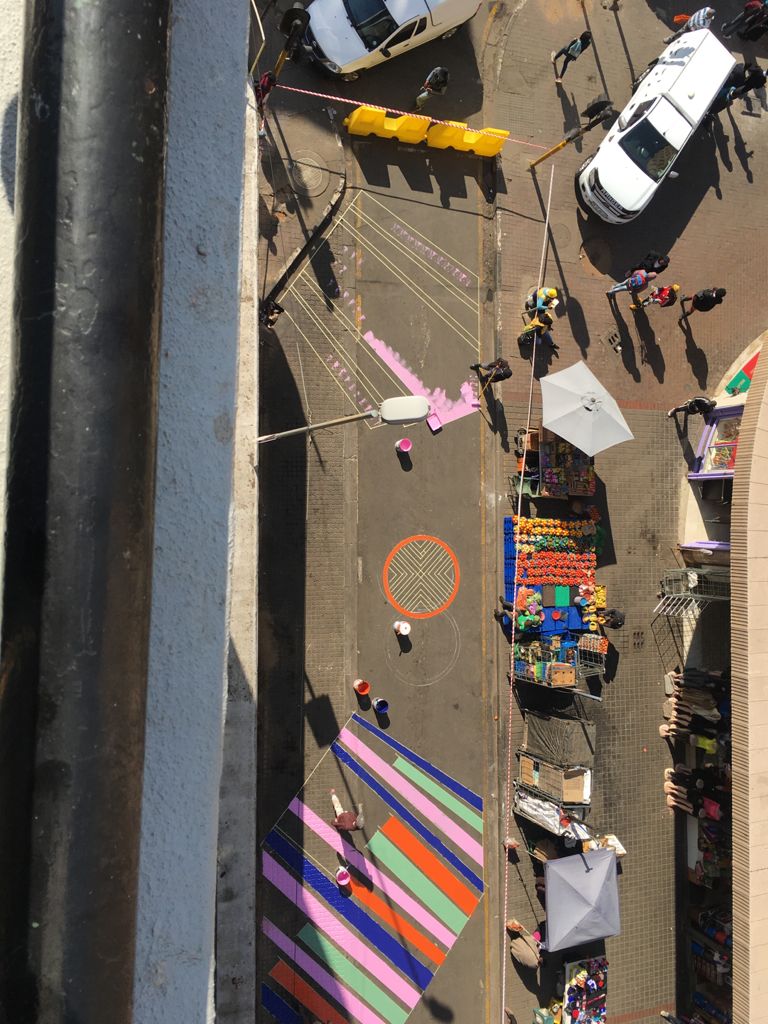
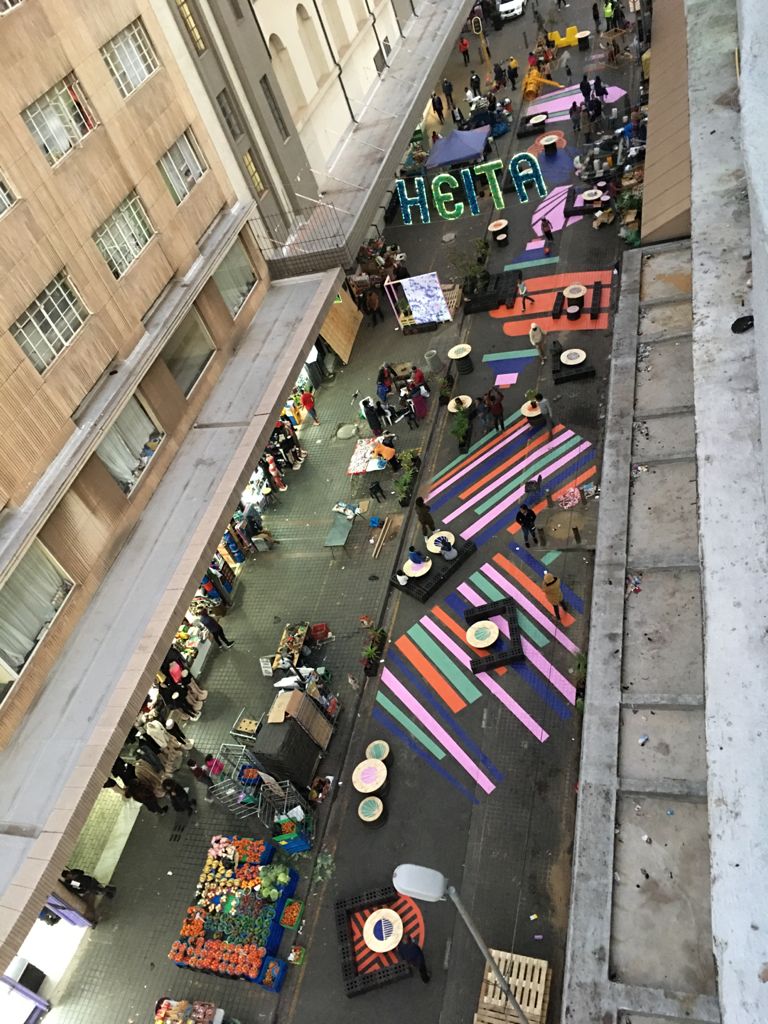
A two-week tactical urbanism project for the Johannesburg Development Agency tested the pedestrianisation of Joubert Street, using temporary and permanent interventions to highlight the need for safe play and mobility spaces in the inner city.
Studio Form Role(s): Public Art Curator, Designer, Production Manager, Project Manager
Core Services Provided: Concept design, technical drawings, procurement, fabrication oversight, installation, budgeting, scheduling, stakeholder coordination.
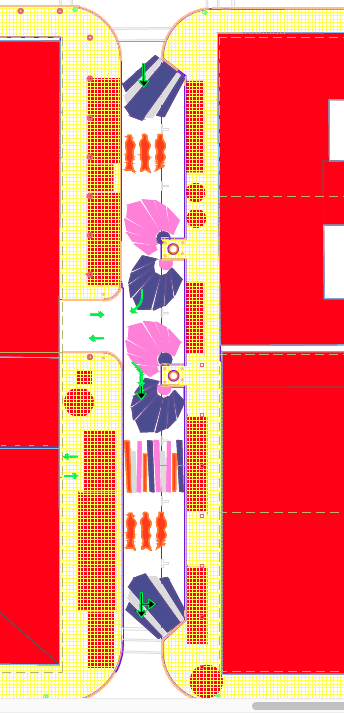
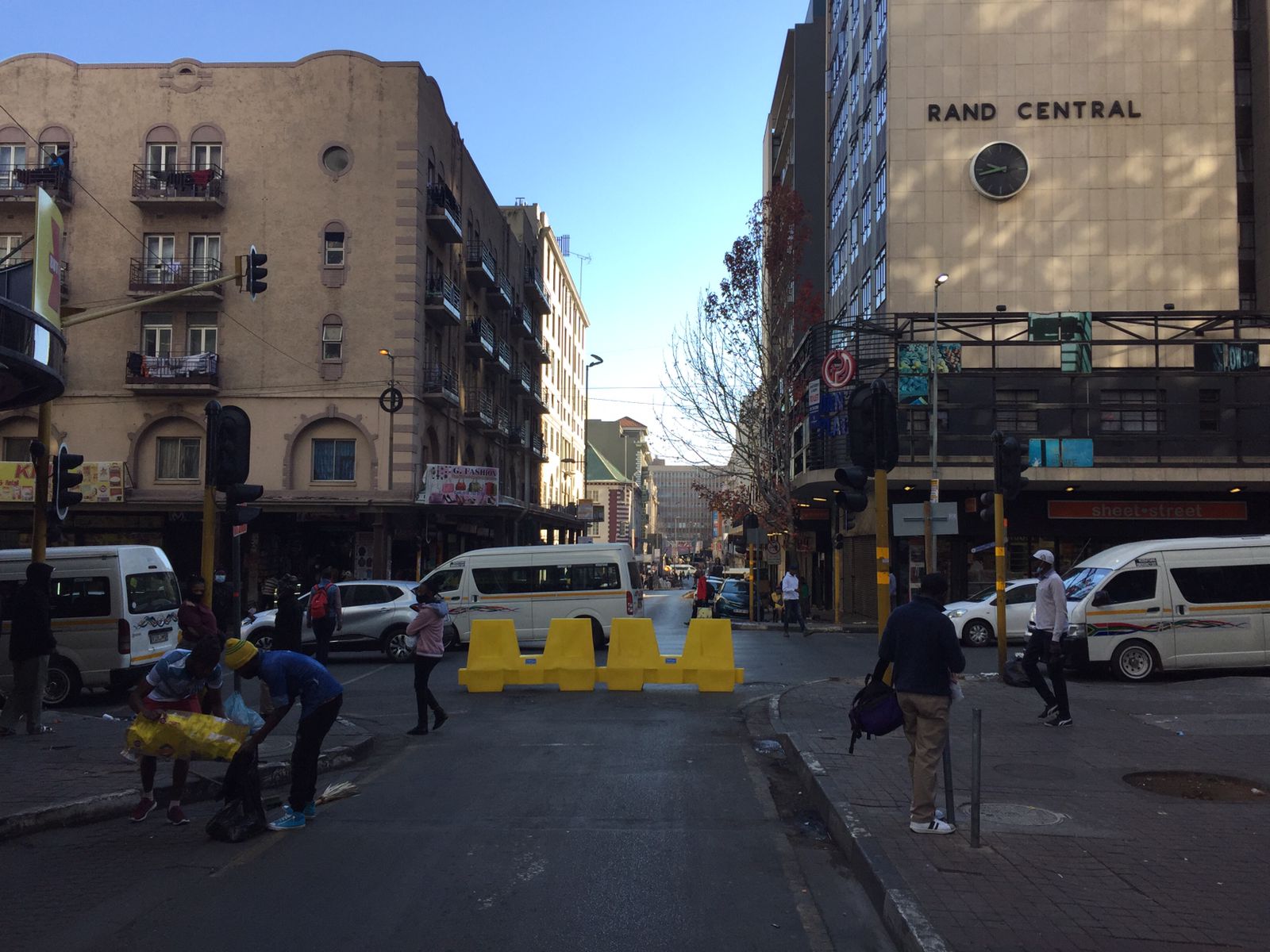
Design Concept / Inspiration: This was a tactical urbanism project conducted for the Johannesburg Development Agency in partnership with the South African Cities Network. Pedestrian mobility in the inner-city of Johannesburg remains an important issue which has not been sufficiently designed for. The main purpose of the project was to test the full and partial pedestrianisation of Joubert Street, which is one of the busiest north-south pedestrian routes in the inner city.
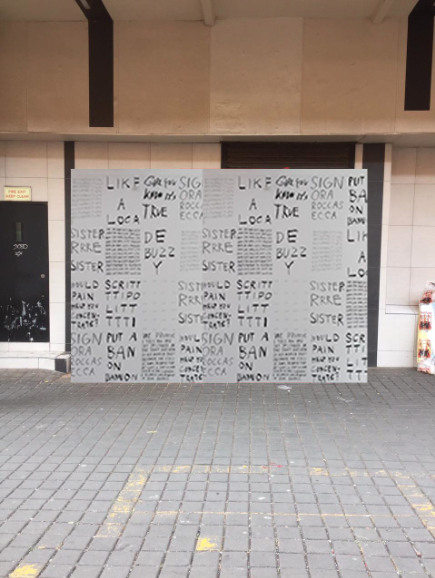
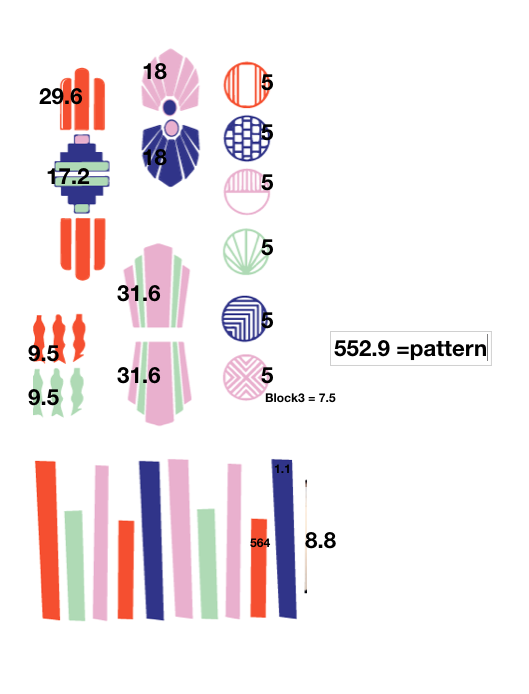
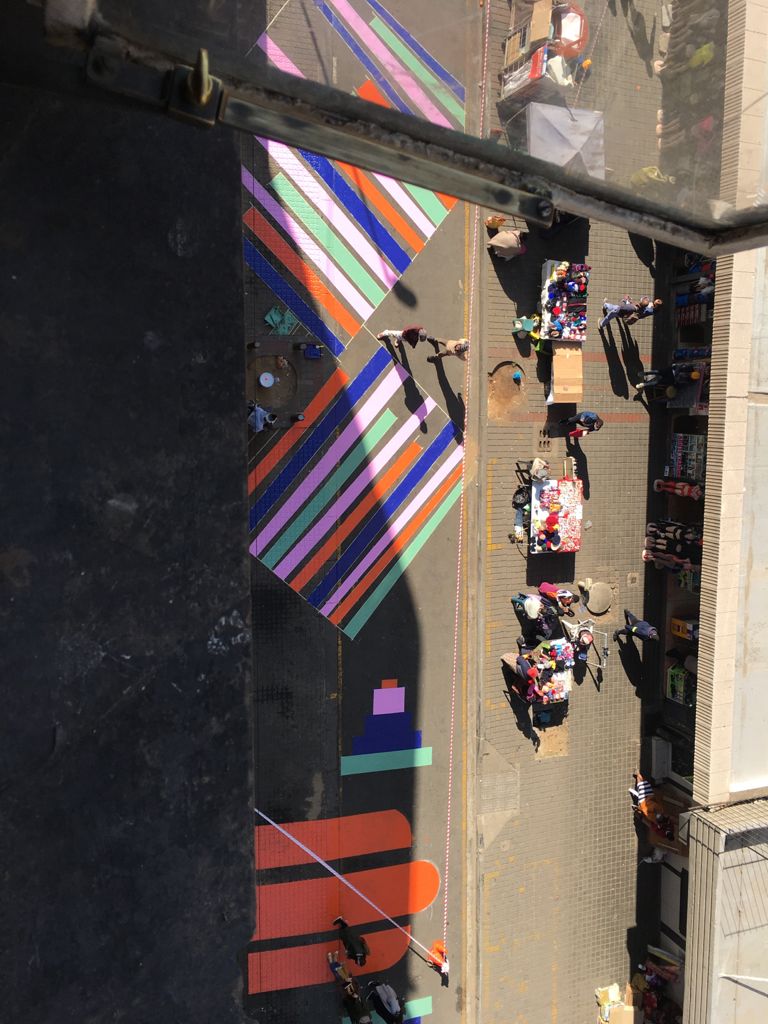
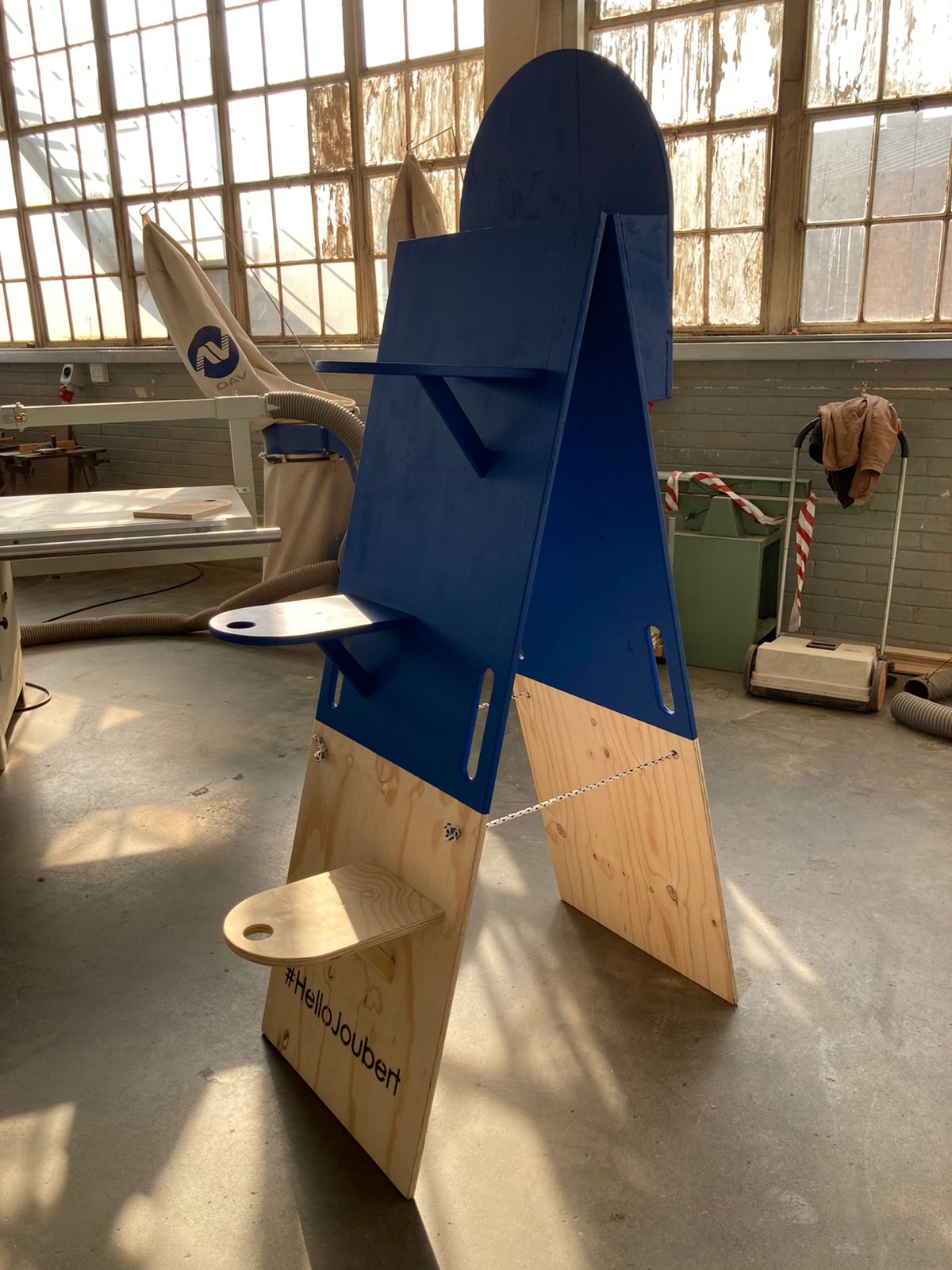
Unique Features: The project took to the form of a two-week exercise, where various programs were tested in the streetscape. Permanent interventions, such as signage banners were complemented with short-term elements such as pallet-wood furniture and road paint. The testing exercise was successful in proving that this part of Johannesburg has a large population of children, with very few options for safe, open play areas.
Key Responsibilities: Managing artists, city officials, suppliers, teams, timelines, quality control, budgets, logistics
Challenges Overcome: The project was grounded in building relationships with diverse members of civil society, most of whom were from lower-income groups moving through the two city blocks. Engagement with informal street traders was essential, though at times these relationships were strained due to restrictions on vehicular movement. Navigating these complex and often challenging stakeholder dynamics was crucial to enabling the two-week vehicular access restrictions and programmatic activations. Ultimately, collaboration with youth volunteers, security personnel, and informal traders proved successful, but it required trust—earned through sustained community engagement well before the experiment began.
Final Result: A provincially commissioned report and close out film that explored the two-week experiment in tactical urbanism that combined civic participation, urban art, and public space activations to explore how these interventions affected both transient users—those passing through the space daily—and the local communities who lived or worked in the area.
Impact / Value: A tactical urbanism case study, supported by metrics, that enables cities, developers, and both public and private stakeholders to collaborate and explore similar planning strategies for revitalising underused public spaces in the future.